
Maryland City, Anne Arundel County
Water Damage Restoration in Maryland City, MD
Maryland City began as Meade City in the mid-1950s, and many of its houses still run on original plumbing. We handle the leaks, the storm runoff and the cleanup that follows.
Call (301) 786-0888See our services
- Burst lines and failing water heaters in older houses
- Storm runoff and flooded basements
- Extraction, removal and drying
- Emergency calls taken 24 hours a day
Our water damage restoration, extraction & drying services in Maryland City, MD
This is the work we do in Maryland City, MD, from older houses to townhomes and shops.
Extraction through drying for Maryland City houses, townhomes and Russett units.
Fast pumping when a storm or a burst line floods a floor.
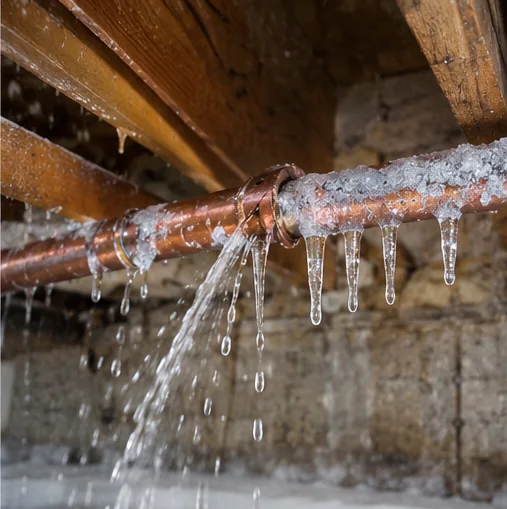
Winter breaks in the exterior walls of mid-century houses.
Shops and offices along the MD 198 corridor.
Mold in damp basements and closed-up rooms.
Runoff and seepage where older storm drains fall behind.
Damp crawlspaces under older houses.
Thick framing and slabs brought down to dry readings.
Sewer and septic backups, cleaned and sanitized.
Leaks that come through from the unit upstairs.
Roadway and yard flooding that reaches the house.
Original water heaters and old hoses.
Built for cars and quick growth
The county plan describes the housing here as conventional subdivision style, built after widespread car ownership, highway expansion and federal housing loans made suburban neighborhoods possible. The community sits south of MD 198, next to the Patuxent Research Refuge and the Howard County line, and its streets are mostly low to medium density residential with sidewalks and trees.
For water damage, the lesson in that history is age. A house built in the 1950s or 1960s that has not had its plumbing replaced is running on its original supply lines, drain lines and, likely, a second or third water heater. We do not know which houses have been updated. The usual first call is a failing fitting, a corroded tank or a washing machine hose that has been under pressure for years.
A Maryland City snapshot
| Feature | What the county plan says | What it means for a wet house |
|---|---|---|
| Setting | South of MD 198, next to the Patuxent Research Refuge and the Howard County border. Mostly low to medium density homes on tree-lined streets. | Wooded lots drop leaves into gutters. Gutter overflow is a common route for water to the foundation. |
| History | Originally "Meade City," developed in the mid-1950s for the Laurel and Fort Meade area. | Many homes are old enough to have original plumbing. |
| Public water | Part of the county's Maryland City water pressure zone, supplied by the county's public water system. | A leak at the street is a county matter. A leak after your meter is yours. |
| Sewer | The western part of the planning region is served by the county's Maryland City water reclamation facility. | A sewer backup can start in the main or in your own lateral. |
| Storm water | The plan lists roadway flooding, such as on Brock Bridge Road, and outdated stormwater facilities in older subdivisions. | Runoff can reach yards and basements faster than older drains can carry it away. |
| Parks and open land | Maryland City Park covers about 180 acres and is largely unimproved. The Oxbow Lake Nature Preserve in Russett holds about 70 acres of wetland. | Low, wet ground near open land stays damp longer after rain. |
Wells, septic and the radium note in Maryland City
Maryland City has its own county water pressure zone and its own water reclamation facility. Even so, the Region 2 plan says about 38 percent of the wider region is not planned for public water or sewer and uses private wells and septic systems, mostly in and around the Patuxent Research Refuge. If your home is on a well or a septic tank, a sewage backup is a septic problem first. Call a septic contractor to look at the tank and drain field, and call us for the cleanup.
The plan also notes that radium levels above the normal range have been found in groundwater in the region, and that new and replacement wells must meet a minimum depth for it. That is a drinking water question, not a water damage one, but it comes up often enough with private wells that we mention it: if you are replacing a well pump or storage tank after a flood, ask the well contractor about testing.
| 32% | 8% | 22% | 38% |
- County public water now
- County public water planned
- Fort Meade's own water system
- Private wells, no public water planned
Water in your Maryland City home?
We need the street, the floor and the source, if you know it.
Call (301) 786-0888Storm water and older drains in Maryland City
The county plan is blunt about older subdivisions: they have less advanced stormwater management than new development, and some of their facilities are unmaintained. It also lists flooding on Brock Bridge Road as a problem, and describes ideas for reducing water flow into and out of Oxbow Lake during flood events.
For a homeowner, that adds up to a simple reading. In a heavy storm, the street drains and retention ponds in your neighborhood may not carry water away as fast as they were designed to. Water that backs up in a street, a yard or a basement window well is runoff, which is Category 3 under the industry standard. Carpet and pad that sat in it come out, drywall is cut above the line, and the area is cleaned and sanitized. The steps for that are under storm and flood water cleanup.
Townhomes and apartments next door in Russett and Watershed
The county plan treats Russett and Watershed as part of its Laurel community, and describes the housing there as a mix of rows of townhomes and single-family homes. Region-wide, the plan says housing is roughly an even mix of apartments, townhouses and single-family detached homes. In attached housing, a leak rarely stays in one unit.
A failed dishwasher line in one townhome can wet the shared wall. A burst supply line upstairs wets the ceiling below and, often, the party wall as well. In those cases the order of work matters: shut off the water, tell the landlord or management company, photograph everything and call us before anyone starts pulling materials out. See appliance and water heater leak cleanup and ceiling and drywall water damage for the usual causes and cleanup.
The MD 198 corridor, Laurel Park and small businesses
MD 198 is the commercial spine here, with retail, restaurants and service businesses along it, and Laurel Park sits at Route 198 and Racetrack Road. The racetrack was built in 1911, was expanded in 1953 and is the second oldest horse racing facility in Maryland, after Pimlico. The county plan expects the corridor to see redevelopment as the future of the track becomes clearer.
Commercial water losses along a corridor like that follow the same patterns as anywhere: a roof drain that clogs, a water heater in a back room, a restaurant's dishwasher line. For a business that has to reopen, see commercial water damage restoration.
Fort Meade is its own utility
Fort Meade, the second largest Army installation in the country by population, runs its own water and sewer systems, according to the county plan, and its water comes from the Patuxent Aquifer. On-post housing questions go to the installation, not to the county utilities. The plan estimates that about 25,600 county residents commute to the post every day. A house that sits empty all day with a slow leak can take on a lot of water before anyone comes home.
Services most Maryland City calls involve
- Storm & Flood Water Cleanup Runoff and heavy rain.
- Appliance & Water Heater Leak Cleanup Older tanks, hoses and dishwasher lines.
- Ceiling & Drywall Water Damage Leaks that come through from above.
- Commercial Water Damage Restoration Shops and offices along MD 198.
Close by
- North Laurel Howard County, across the county line.
- South Laurel Prince George's County, near the Patuxent Research Refuge.